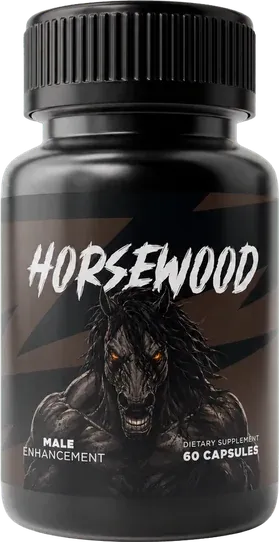
Horsewood Blog: Straight Talk on Herb Doses and Supplement Ads
Written by the Horsewood Daily editorial team
Last updated · Who reviewed this page · How we write and review
The Horsewood blog answers one hard question per post. Read what a 100:1 tongkat ali extract really means at 10 mg, what the evidence says about saw palmetto, nettle and wild yam, and how to spot red flags in male enhancement ads. Each post links its sources and puts the studied dose next to the Horsewood label amount.
What does the Horsewood blog cover?
The Horsewood blog takes one hard question per post and answers it straight. Each post prints the doses people took and says where the label comes up short.
Tongkat Ali at 10 mg: What a 100:1 Extract Really Means
How 10 mg of a 100:1 extract becomes a 1,000 mg label figure, and how it compares with trial doses.
Saw Palmetto, Nettle and Wild Yam in Men’s Formulas: What the Evidence Says
Why prostate herbs sit in sex supplements, what saw palmetto trials found, and why wild yam is not DHEA.
Male Enhancement Ads: Lab Coats, Logos and Other Red Flags
Countdown timers, borrowed logos, unnamed doctors and paid press releases, and how to read past them.
Which Horsewood blog post answers your question?
Find your question in the middle column, then open the post.
| Post | Topic | Question it answers | Main sources on the topic |
|---|---|---|---|
| Tongkat Ali at 10 mg: What a 100:1 Extract Really Means | Ingredients | Is 10 mg of a 100:1 tongkat ali extract enough? | Leisegang 2022 meta-analysis, Chinnappan 2021 trial, NIH LiverTox |
| Saw Palmetto, Nettle and Wild Yam in Men’s Formulas: What the Evidence Says | Research | Do these three herbs help men, and at what dose? | Cochrane 2023 review, the CAMUS trial, MSKCC, NIH LiverTox |
| Male Enhancement Ads: Lab Coats, Logos and Other Red Flags | Buying smart | How can you tell when a supplement ad is stretching the truth? | FTC endorsement guides, FTC review rule, FDA |
How are Horsewood blog posts written?
The Horsewood Daily editorial team writes every post under one set of rules. The rules stay the same whether the answer helps Horsewood or hurts it.
- Every claim has a source. For example, the tongkat ali dose range comes from a published meta-analysis (Leisegang et al., 2022).
- Doses sit side by side. The label amount goes next to the amount studies used.
- Gaps get named. When a fact is missing, the post says “not published.”
- No cure talk. Horsewood is a supplement, not an ED or low-T treatment, and the posts never treat it as one.
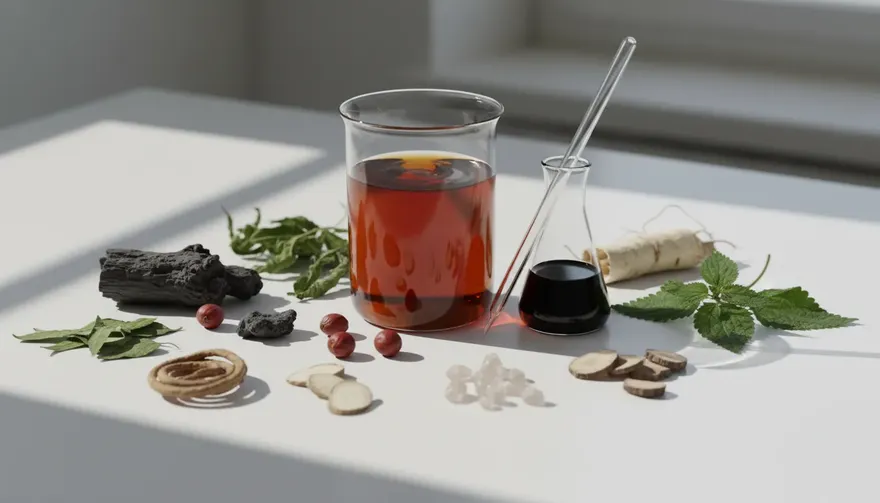
Each post carries a medical-review slot that stays blank until a named, qualified person signs off. Read about our medical reviewer.
Where should you start on the Horsewood blog?
Start with the tongkat ali post, then the herb evidence, then the ad red flags. You will know the science before you read any sales copy.
- 1
Do the tongkat ali math
Read the 100:1 extract post to see why 10 mg of extract is not 1,000 mg of anything in the capsule.
- 2
Check the other herbs
Read the saw palmetto, nettle and wild yam post for what full-dose trials found.
- 3
Read the ads with fresh eyes
Read the ad red flags post before you trust a countdown timer or a lab coat.
Want the full label next? Every amount is on the Horsewood ingredients page. Shopping around? Our guide to choosing a male enhancement supplement works for any brand.
Horsewood blog: common questions
Questions people type into Google and Bing, answered from the label and the sources on this page.
What does the Horsewood blog write about?
Three topics so far: what a 100:1 tongkat ali extract means, the evidence for saw palmetto, nettle and wild yam, and the red flags in male enhancement ads.
Is the Horsewood blog medical advice?
No. The posts explain published research in plain words. Questions about your own health belong with your doctor.
Does the Horsewood blog only say good things about Horsewood?
No. The posts point out where Horsewood falls short, such as a 10 mg tongkat ali dose far below the trial range.
Why does the Horsewood blog focus on doses?
A study result only helps you if you know how much people took. Each post prints the studied dose next to the label amount.
Who checks the Horsewood blog posts?
The editorial team writes and checks each post. Its medical-review slot stays highlighted until a named, qualified reviewer signs off.
Where do the sources in the Horsewood blog come from?
From NIH, NCCIH, FDA and FTC pages, a Cochrane review and peer-reviewed journals. Every research claim links to its source.
Who runs the Horsewood blog?
It is part of this site, which is run for the USA Authorized Horsewood Retailer. The buy buttons lead to its checkout, and the posts still print the weak spots.
Can I suggest a topic for the Horsewood blog?
Yes. Send your question to [email protected]. Clear reader questions often turn into the next post.